Sourdough Bread Without a Starter : A Step-by-Step Recipe Guide
Let’s be honest — homemade sourdough bread always looked a little intimidating to me at first Every recipe I came across talked about maintaining a starter for days, feeding it regularly, and patiently waiting for fermentation. And honestly, for someone who just wanted warm homemade bread without all the complicated steps, it felt overwhelming.
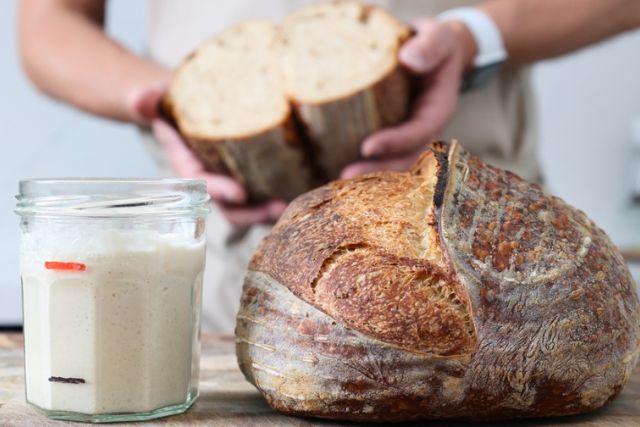
That’s exactly why this sourdough bread without starter recipe feels so satisfying. You still get that rustic homemade texture and slightly tangy flavor, but without spending days preparing a traditional starter from scratch. It’s simpler, quicker, and honestly much more beginner-friendly.
The first time I tried this method, I was genuinely surprised by how comforting the smell of freshly baked bread made the whole kitchen feel. There’s just something special about slicing into a warm homemade loaf with a crispy crust and soft center straight out of the oven.
Whether you’re completely new to bread baking or simply want an easier way to enjoy homemade sourdough-style bread, this recipe makes the whole process feel far less stressful and a lot more enjoyable.
Understanding Sourdough Bread Without a Starter
Sourdough Bread Without a Starter is distinct from other types of bread due to its fermentation process. The sour flavor comes from lactic acid bacteria, which thrive in the acidic environment created during fermentation. Traditionally, bakers harness wild yeast present in the air to leaven their bread through a starter—a mixture of flour and water left to ferment over several days.
Why Bake Sourdough Without a Starter?
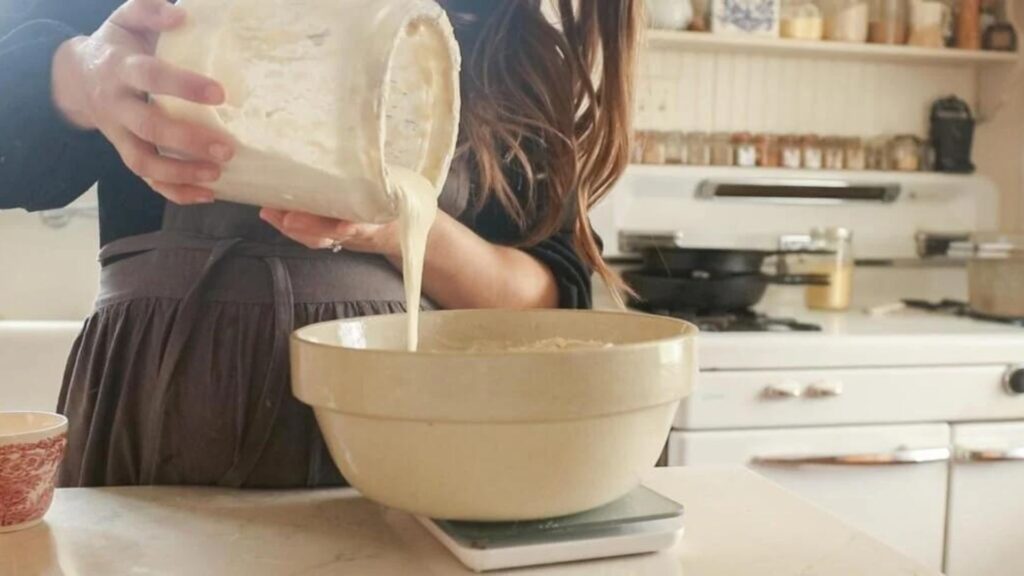
While sourdough purists love traditional starters, I’ll be honest — maintaining one can feel a little overwhelming sometimes Baking sourdough bread without a starter makes the process quicker, easier, and much more beginner-friendly while still giving you that comforting homemade flavor and rustic texture.
- Time Efficiency: Without a starter, you can bake sourdough bread in a fraction of the time—usually within a day.
- Simplicity: The recipe is straightforward and doesn’t require advanced baking skills or specialized equipment.
- Consistency: Achieve a reliable sourdough flavor and texture without the variability that can come with managing a starter.
Ingredients for Sourdough Bread Without a Starter
Before you begin, gather the following ingredients:
- 500g bread flour (all-purpose flour can also be used)
- 350ml lukewarm water
- 10g salt
- 7g instant yeast
- Optional: seeds or grains for added texture and flavor
Step-by-Step Recipe for Sourdough Bread Without a Starter
The first time I tried making sourdough bread without a starter, I honestly expected it to be difficult But once I followed the process step by step, it felt surprisingly simple and incredibly satisfying watching the fresh loaf rise and bake beautifully at home.
Step 1: Mixing the Dough
- Combine Dry Ingredients: In a large mixing bowl, whisk together the flour, salt, and instant yeast until evenly distributed.
- Add Water: Make a well in the center of the flour mixture and pour in the lukewarm water.
- Mix: Using a wooden spoon or your hands, stir the mixture until a shaggy dough forms and all the flour is hydrated. The dough should be slightly sticky but manageable.
Step 2: Kneading
- Knead the Dough: Transfer the dough to a lightly floured surface. Knead the dough for about 10-15 minutes until it becomes smooth and elastic. This helps develop the gluten, which gives the bread structure.
- Rest the Dough: Place the dough back into the mixing bowl, cover it with a clean kitchen towel or plastic wrap, and let it rest at room temperature for 1 hour. This allows the dough to relax and rise slightly.
Step 3: Shaping
- Shape the Dough: After the resting period, transfer the dough to a lightly floured surface. Gently shape it into a round or oval loaf, ensuring to create surface tension by pulling the dough towards you with your hands.
- Second Rest: Place the shaped dough onto a parchment paper-lined baking tray or a well-floured proofing basket. Cover it loosely with a kitchen towel and let it rest for another 1 hour at room temperature.
Step 4: Baking
- Preheat the Oven: About 30 minutes before baking, preheat your oven to 220°C (425°F). Place an empty baking tray on the bottom rack to preheat as well.
- Score the Dough: Using a sharp knife or a bread lame, score the top of the dough with shallow cuts. This allows the bread to expand and prevents it from bursting unevenly during baking.
- Bake: Transfer the dough (still on the parchment paper, if using) onto the preheated baking tray. Optionally, you can create steam in the oven by quickly pouring a cup of hot water into the empty hot baking tray on the bottom rack. This steam helps create a crispy crust. Bake for 25-30 minutes or until the bread is golden brown and sounds hollow when tapped on the bottom.
- Cooling: Once baked, transfer the bread to a wire rack and let it cool completely before slicing. This helps retain moisture and ensures the bread slices evenly.
Tips for Success
- Use Lukewarm Water: This encourages the yeast to activate without killing it, leading to better dough rise.
- Knead Thoroughly: Proper kneading develops gluten, which gives the bread its structure and chewy texture.
- Let it Rest: Both during and after shaping, allowing the dough to rest helps develop flavor and improves the bread’s texture.
Baking sourdough bread without a starter is a rewarding experience that yields delicious results without the commitment of maintaining a starter. By following this step-by-step guide, you can enjoy homemade sourdough bread with its characteristic tangy flavor and chewy texture in just a few hours. Experiment with different flours, add-ins, or baking techniques to customize your loaf to perfection. Happy baking!
FAQs Related to Sourdough Bread without a Starter
What is sourdough bread without a starter?
Sourdough bread without a starter refers to a variation of sourdough bread that skips the traditional fermentation process using a sourdough starter. Instead, it uses commercial yeast for leavening, allowing for a quicker baking process.
How does sourdough bread without a starter taste compared to traditional sourdough?
While it lacks the depth and complexity of flavor that comes from natural fermentation in a traditional sourdough starter, sourdough bread without a starter still has a mild tanginess. The flavor will be less pronounced and more uniform compared to sourdough made with a starter.
Can I use regular yeast for sourdough bread without a starter?
Yes, sourdough bread without a starter typically uses instant yeast or active dry yeast as the leavening agent. These types of yeast provide a quick rise and do not require the lengthy fermentation process of a sourdough starter.
How long does it take to make sourdough bread without a starter?
The process of making sourdough bread without a starter is much quicker compared to traditional sourdough. It generally takes around 3 to 4 hours from start to finish, including mixing, kneading, resting, shaping, and baking.
What flour should I use for sourdough bread without a starter?
You can use bread flour or all-purpose flour for sourdough bread without a starter. Bread flour will give you a slightly chewier texture, while all-purpose flour will result in a softer crumb. Some bakers also mix in whole wheat flour or other grains for added flavor and texture.
Can I make gluten-free sourdough bread without a starter?
Yes, you can make gluten-free sourdough bread without a starter using gluten-free flour blends and commercial yeast. Look for recipes specifically designed for gluten-free sourdough bread to ensure the best results.
How do I know when sourdough bread without a starter is done baking?
Sourdough bread without a starter is done baking when it is golden brown on the outside and sounds hollow when tapped on the bottom. You can also use a food thermometer to check that the internal temperature of the bread has reached around 190-200°F (88-93°C).
Can I add flavors or ingredients to sourdough bread without a starter?
Yes, you can customize your sourdough bread without a starter by adding ingredients such as herbs, seeds, dried fruits, or nuts during the mixing or shaping stages. Experiment with different combinations to create unique flavors.
How do I store sourdough bread without a starter?
To keep sourdough bread without a starter fresh, store it in a paper bag or loosely wrapped in a clean kitchen towel at room temperature for up to 3 days. For longer storage, wrap it tightly in plastic wrap or foil and freeze for up to 3 months.
Can I use sourdough bread without a starter to make toast or sandwiches?
Yes, sourdough bread without a starter is perfect for making toast, sandwiches, or enjoying on its own. Its mild tangy flavor and soft texture make it versatile for various culinary uses.
Sourdough Bread Without a Starter : A Step-by-Step Recipe Guide
Course: Special Recipes6
1
hour30
300
kcalThis sourdough bread without starter recipe gives you a rustic homemade loaf with a soft texture and crispy crust without the long traditional process
Ingredients
500g bread flour (all-purpose flour can also be used)
350ml lukewarm water
10g salt
7g instant yeast
Optional: seeds or grains for added texture and flavor
Directions
- Mix flour, salt, and instant yeast in a large bowl.
- Add lukewarm water and mix until a slightly sticky dough forms.
- Knead the dough for 10–15 minutes until smooth and elastic.
- Cover the dough and let it rest for 1 hour at room temperature.
- Shape the dough into a round or oval loaf.
- Place the dough on a lined tray and let it rest again for 1 hour.
- Preheat the oven to 220°C (425°F).
- Score the top of the dough with a sharp knife.
- Bake the bread for 25–30 minutes until golden brown and crispy.
- Let the bread cool completely before slicing and serving.
Notes
- Honestly, the smell of freshly baked bread coming out of the oven is probably the most satisfying part of this recipe. Even without a traditional starter, the bread still feels warm, comforting, and beautifully homemade.