Which Indian Region Do the Famous Alphonso Mangoes Come From?
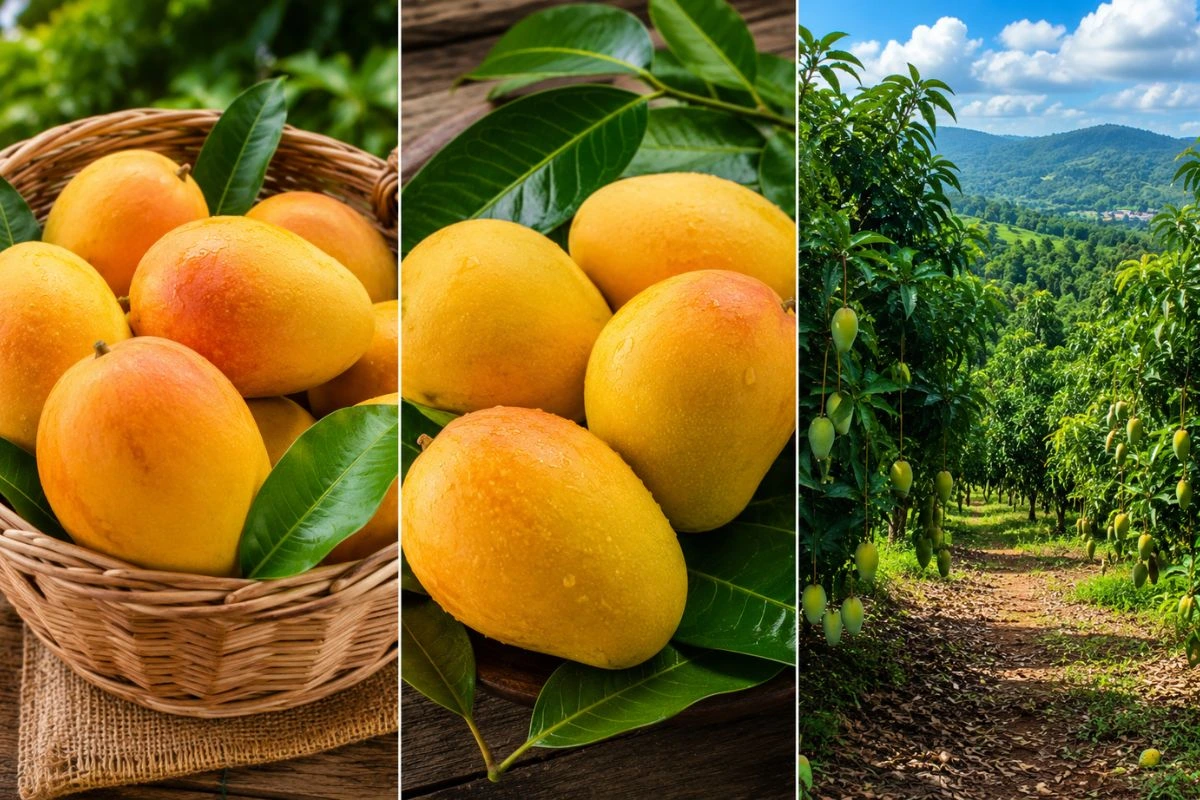
If you ask any true mango lover about the best mango in India, there’s a very high chance they’ll instantly say — Alphonso. And honestly, it’s hard to disagree. Alphonso mangoes are not just fruits in India; they feel like a whole summer emotion.
I still remember waiting for mango season every year as a kid. The moment those mango boxes entered the house, everyone suddenly became excited. Mom would carefully unwrap the hay-covered mangoes, and that sweet smell would spread everywhere. Before even tasting them, you already knew these were special.
But one question many people ask is:
Which Indian region do the famous Alphonso mangoes come from?
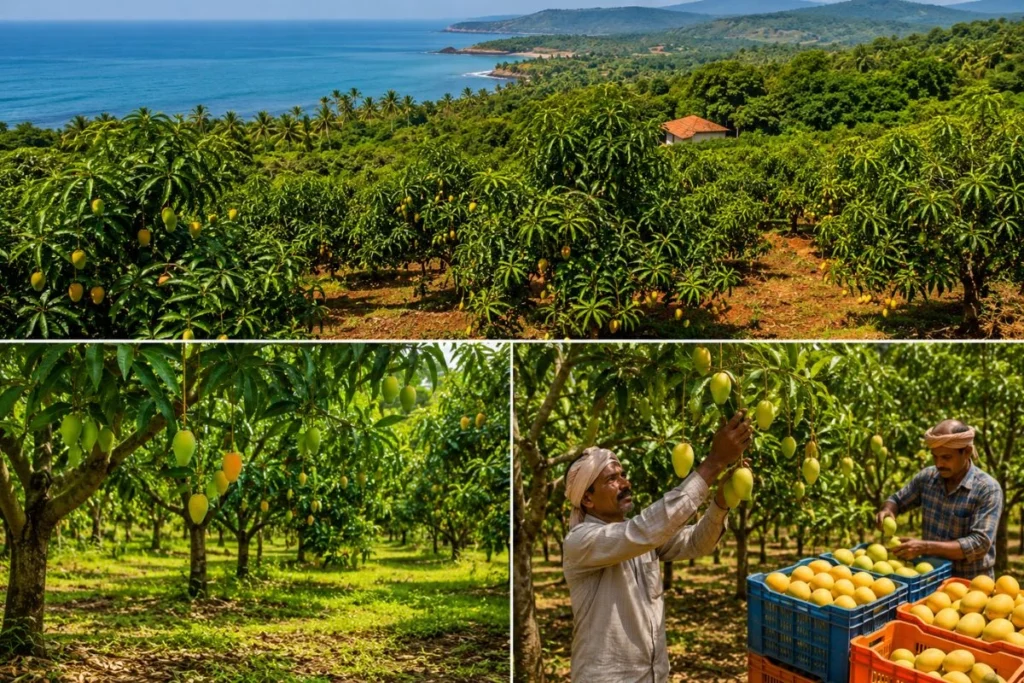
The answer is the Konkan region of Maharashtra, especially places like:
- Ratnagiri
- Devgad
- Sindhudurg
- Raigad
Locally, people lovingly call them Hapus Mangoes.
And trust me, the people of Konkan are incredibly proud of them — for good reason.
Why Are Konkan Alphonso Mangoes So Famous?
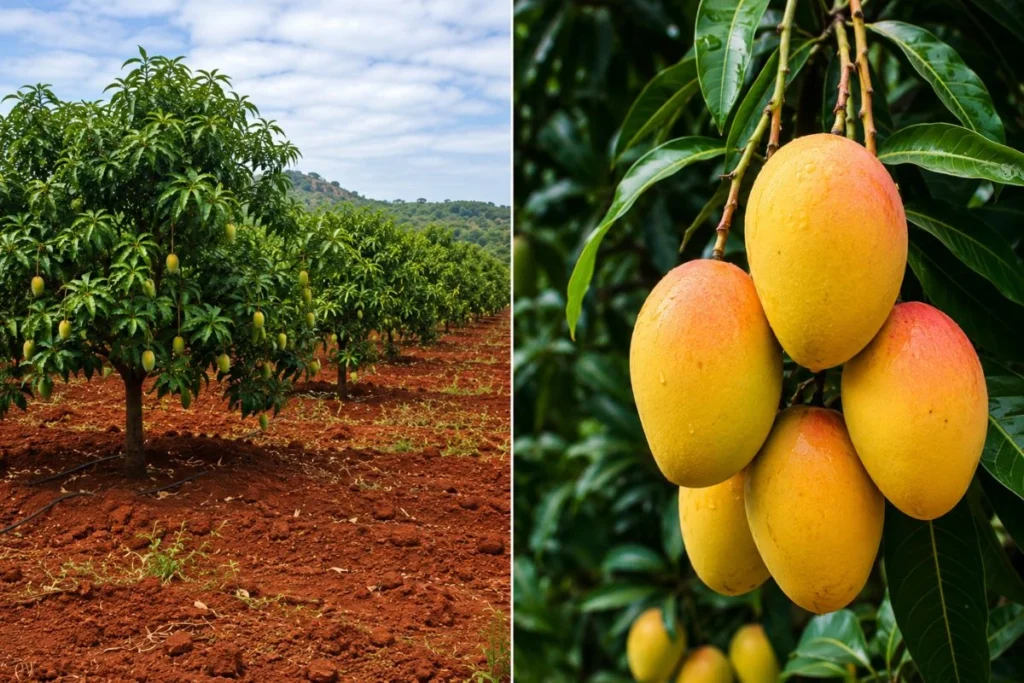
India grows many delicious mango varieties, but Alphonso from the Konkan coast has its own personality. The taste feels richer, the aroma stronger, and the texture unbelievably smooth.
The secret is actually nature itself.
The Konkan region gets:
- Coastal humidity from the Arabian Sea
- Heavy monsoon rains
- Warm tropical climate
- Mineral-rich red soil
This combination creates mangoes that are naturally sweet and aromatic.
Many locals even say:
“Hapus sirf aam nahi hai… Konkan ki pehchaan hai.”
And honestly, after tasting authentic Ratnagiri Alphonso once, normal mangoes start feeling a little less exciting.
My First Real Alphonso Experience
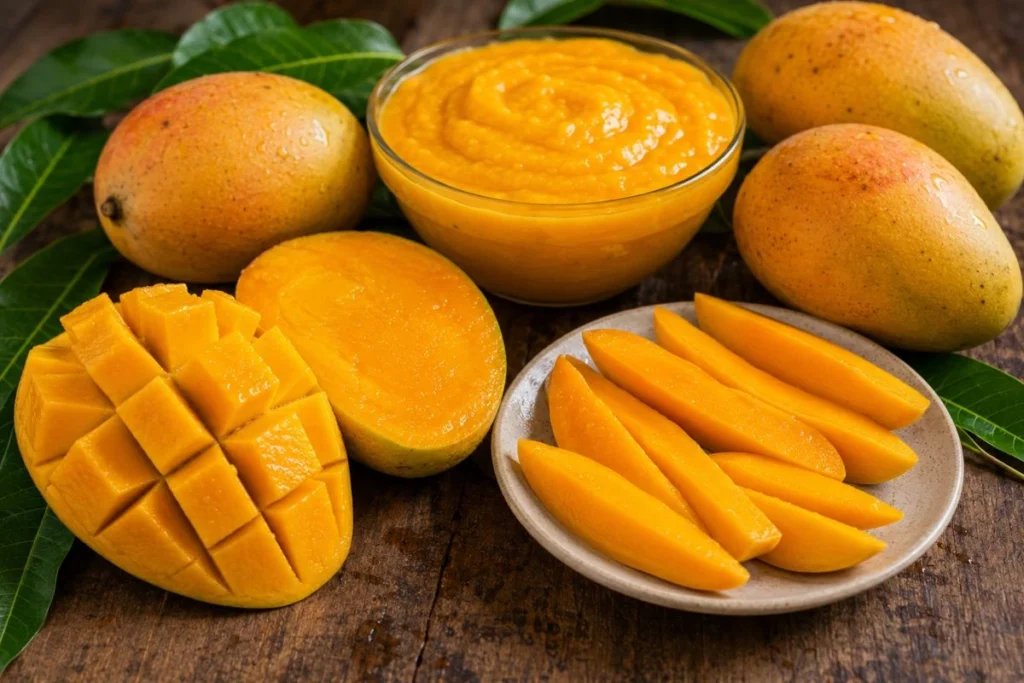
The first time I tasted an original Ratnagiri Alphonso mango, I genuinely understood why people go crazy for it every summer.
It looked simple from outside — golden yellow with a slight reddish touch. But the moment I cut it open, the entire room smelled sweet and fruity. The pulp was smooth like cream, without annoying fibers, and the taste was perfectly balanced between sweetness and richness.
That first bite honestly felt like summer in one spoon.
Since then, Alphonso mango season has become something I look forward to every year.
Why Ratnagiri Alphonso Is Considered Premium
Among all Alphonso-producing areas, Ratnagiri is the most famous. In fact, Ratnagiri Alphonso mangoes even received a GI Tag (Geographical Indication), which means their unique quality is officially linked to that region.
What makes them premium?
- Naturally sweet taste
- Strong fruity aroma
- Bright saffron-colored pulp
- Soft, buttery texture
- Traditional farming methods
Most farmers there treat mango farming like family heritage. Some orchards are generations old.
And maybe that love and patience somehow reaches the fruit too.
The Story Behind the Name “Alphonso”
Interestingly, Alphonso mangoes were named after Afonso de Albuquerque, a Portuguese general who came to India during Portuguese rule.
Over time, special grafting techniques helped create this famous variety, and eventually it became one of the most loved mangoes not only in India but across the world.
Today, Alphonso mangoes are exported to countries like:
- USA
- UK
- UAE
- Japan
And every year, demand becomes crazy during the short mango season.
Alphonso Mango Season Feels Special
One thing I love about Alphonso mangoes is that they’re seasonal. You can’t enjoy them the whole year, and maybe that’s what makes them feel more valuable.
Usually, the season starts around March, peaks in April and May, and slowly ends by June.
In many Indian homes, especially in Maharashtra and Gujarat, mango season almost feels like a mini festival.
People:
- Gift mango boxes to relatives
- Make aamras at home
- Store mangoes carefully in straw
- Debate which city has the sweetest Hapus
And somehow, every family has one person who keeps smelling mangoes daily to check if they’re ripe enough.
How to Identify Real Alphonso Mangoes
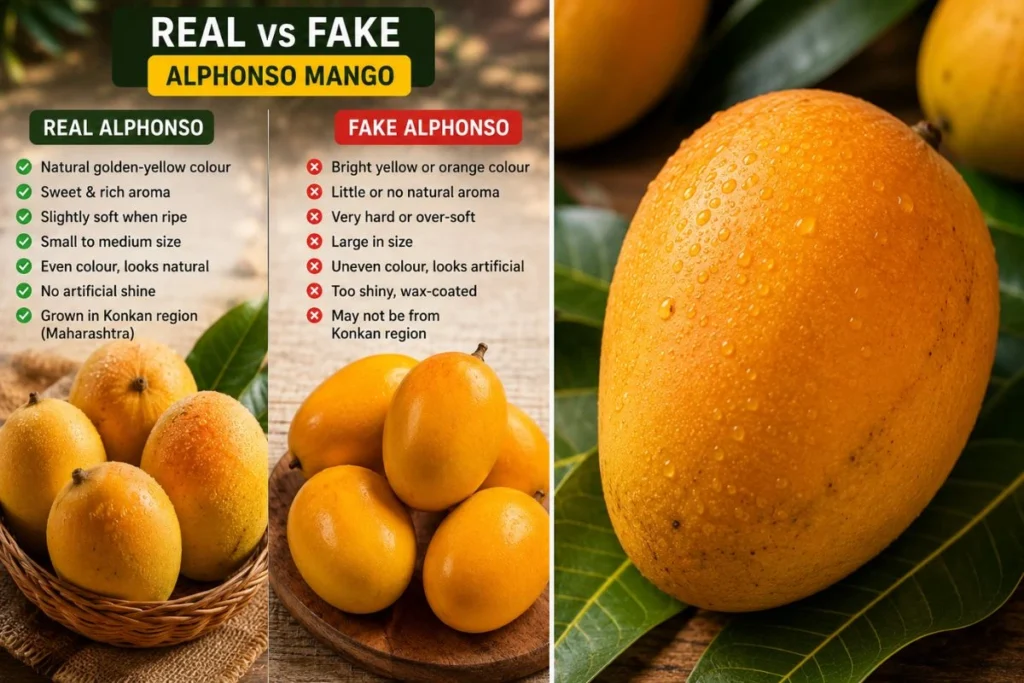
Nowadays, many mangoes are sold using the Alphonso name, but not all are genuine.
Real Alphonso mangoes usually have:
- A strong sweet fragrance
- Smooth golden-yellow skin
- Soft, fiberless pulp
- Rich saffron-colored inside
If a mango looks overly shiny or smells chemical-like, it’s probably artificially ripened.
Authentic Hapus mangoes feel naturally elegant — they don’t need extra perfection to stand out.
More Than Just a Mango
Honestly, Alphonso mangoes are not famous only because they taste good.
They’re famous because they remind people of:
- Summer vacations
- Childhood memories
- Family lunches
- Hot afternoons with cold aamras
- Sticky hands after eating mango slices
Some foods simply become part of life memories, and Alphonso mangoes definitely belong in that category.
Final Thoughts
So, if someone asks, “Which Indian region do the famous Alphonso mangoes come from?” — the true answer is the Konkan region of Maharashtra, especially Ratnagiri and Devgad.
But beyond geography, Alphonso mangoes represent something deeper for many Indians — the joy of summer, family traditions, and those little seasonal moments people wait for all year. Because honestly, summer without Hapus mangoes never feels completely complete.
And if Alphonso mangoes are your weakness like mine, you’ll absolutely love our creamy and refreshing Mango Cheesecake Recipe the perfect dessert to turn leftover summer mangoes into something truly irresistible.